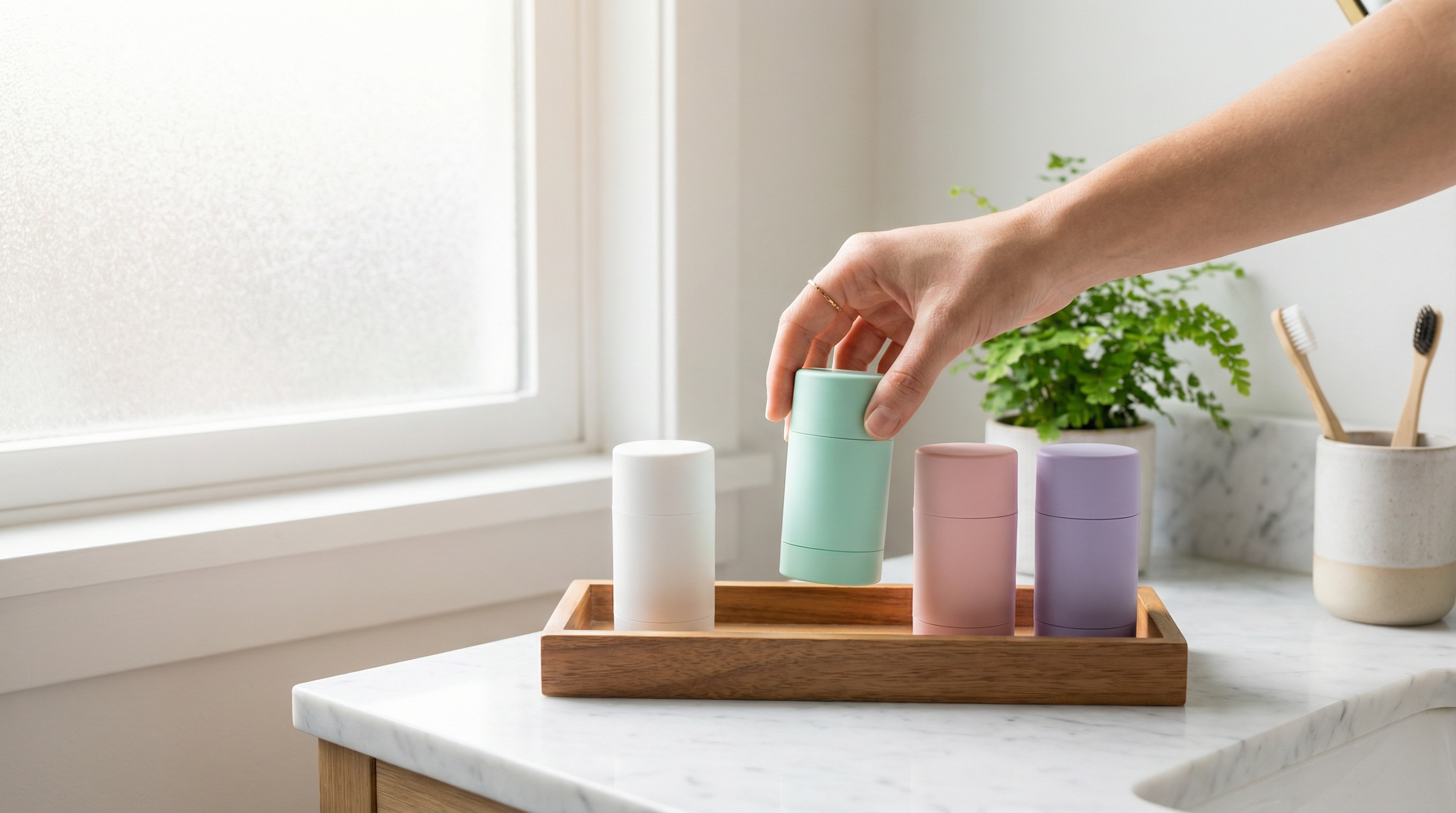
The natural deodorant landscape is constantly evolving. What started with simple formulas of baking soda and coconut oil has blossomed into a sophisticated category featuring advanced, science-backed ingredients. As consumers become more educated about what they put on their bodies, they are demanding products that are not only natural but also highly effective and gentle on the skin.
For brands looking to innovate in 2026, understanding the latest ingredient trends is paramount. This article explores the best and most promising natural deodorant ingredients, moving beyond the basics to highlight what truly works and why.
The Foundation: Odor Neutralizers & Moisture Absorbers

While new ingredients are emerging, the core of any effective natural deodorant still relies on two primary functions: neutralizing odor and absorbing moisture.
- The Classics: Baking soda and cornstarch remain popular for their efficacy and affordability. However, the high pH of baking soda can cause irritation for many users, driving significant innovation toward gentler alternatives.
- Magnesium Hydroxide: This is arguably the most significant advancement in natural deodorant formulation. It works by creating a slightly alkaline environment on the skin that inhibits odor-causing bacteria — without the irritation associated with baking soda, making it suitable for sensitive skin.
- Arrowroot Powder & Tapioca Starch: These plant-derived starches offer a silkier skin feel and are generally better tolerated by sensitive skin than cornstarch.
| Ingredient | Function | Key Benefit |
|---|---|---|
| Magnesium Hydroxide | Odor Neutralizer | Gentle on skin, effective at raising pH |
| Arrowroot Powder | Moisture Absorber | Silky texture, good for sensitive skin |
| Tapioca Starch | Moisture Absorber | Alternative to cornstarch, smooth feel |
| Kaolin/Bentonite Clay | Moisture Absorber | Absorbs moisture and impurities |
The Cutting Edge: Microbiome-Friendly Ingredients
The most significant innovation in natural deodorant formulation is the focus on the skin microbiome. The understanding that our skin is a complex ecosystem of bacteria has led to a new generation of ingredients that work with the body, not against it.
The goal is no longer to kill all bacteria, but to foster a healthy, balanced skin microbiome where odor-causing bacteria are kept in check.
Prebiotics & Probiotics
- Prebiotics: Ingredients like inulin (from chicory root) or fructooligosaccharides help beneficial bacteria thrive, naturally crowding out odor-producing ones.
- Probiotics & Postbiotics: Postbiotics (beneficial compounds produced by probiotics) are becoming increasingly popular, helping create a healthy skin environment.
Advanced Mineral Actives

- Zinc PCA: Combines zinc (neutralizes odor-causing sulfur compounds) with L-PCA (a natural humectant). This makes Zinc PCA a powerful, non-irritating odor-control ingredient.
- Dead Sea Minerals: Rich in magnesium and trace minerals, Dead Sea salt can neutralize odor and nourish the skin.
- Piroctone Olamine: Originally an anti-dandruff agent, now used in deodorants for its potent antimicrobial properties against odor-causing bacteria.
The Future is Functional and Fragrant
In 2026, the best natural deodorants will combine these advanced active ingredients into synergistic formulas. For brands, the key takeaways are:
- Move Beyond Baking Soda: Offer gentle, effective alternatives for sensitive skin.
- Embrace the Microbiome: Look for suppliers offering prebiotic, probiotic, and postbiotic ingredients.
- Leverage Advanced Actives: Zinc PCA and Piroctone Olamine offer superior performance and a strong scientific story.
- Focus on the Full Experience: Combine high-performance ingredients with beautiful textures and unique, natural scents.
References
- The Customer Digest. (2026). Best Natural Deodorants 2026. thecustomerdigest.com
- The Black Stuff. (2024). Natural Deodorant Ingredients List. theblackstuff.com
- Journal of Research in Pharmacy. (2023). Postbiotics cosmetic formulation. dergipark.org.tr