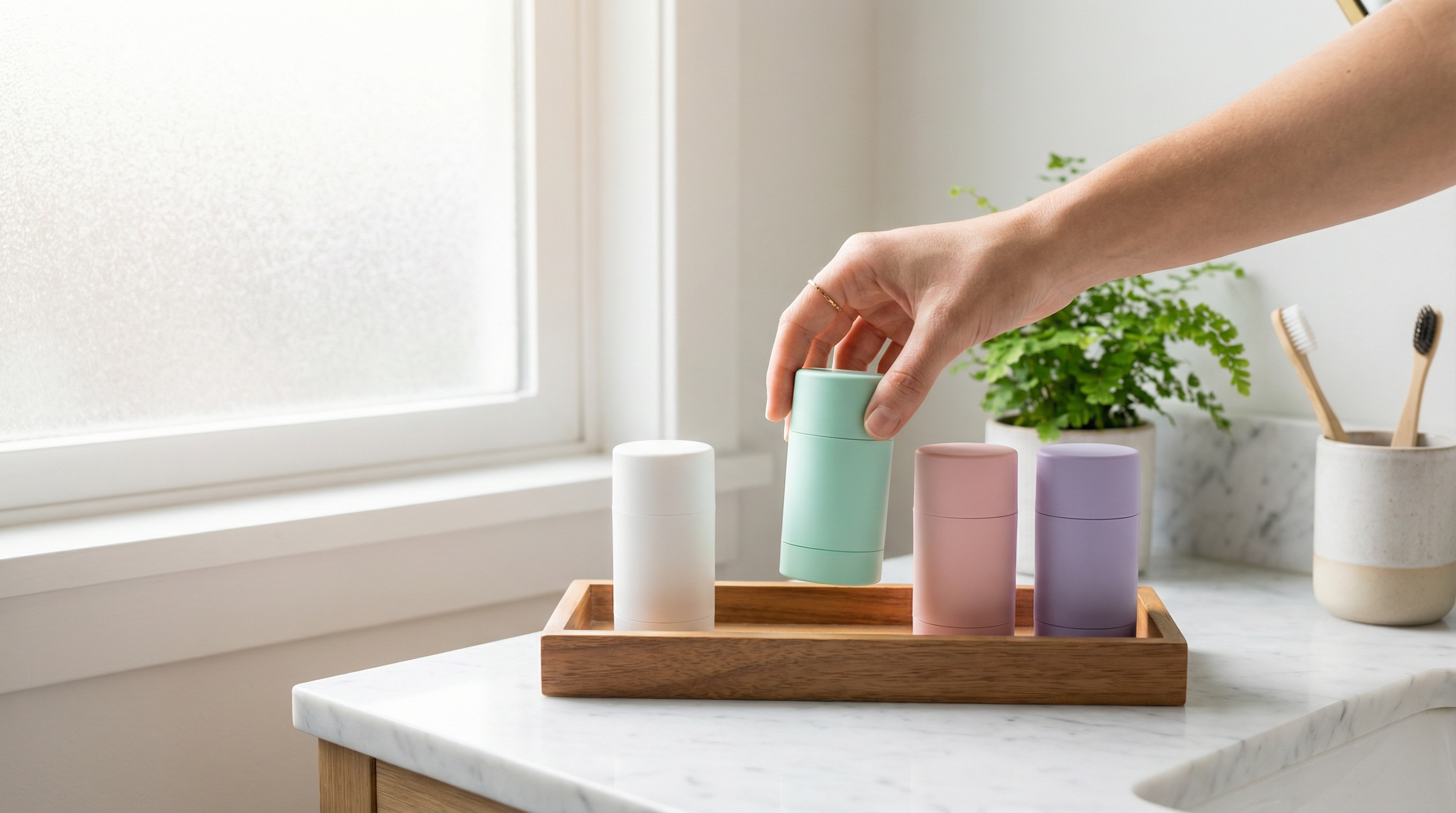
The global demand for natural and clean-label personal care products is not just a trend; it's a fundamental shift in consumer behavior. The natural deodorant market, in particular, is experiencing explosive growth, creating a prime opportunity for new brands to enter the space.
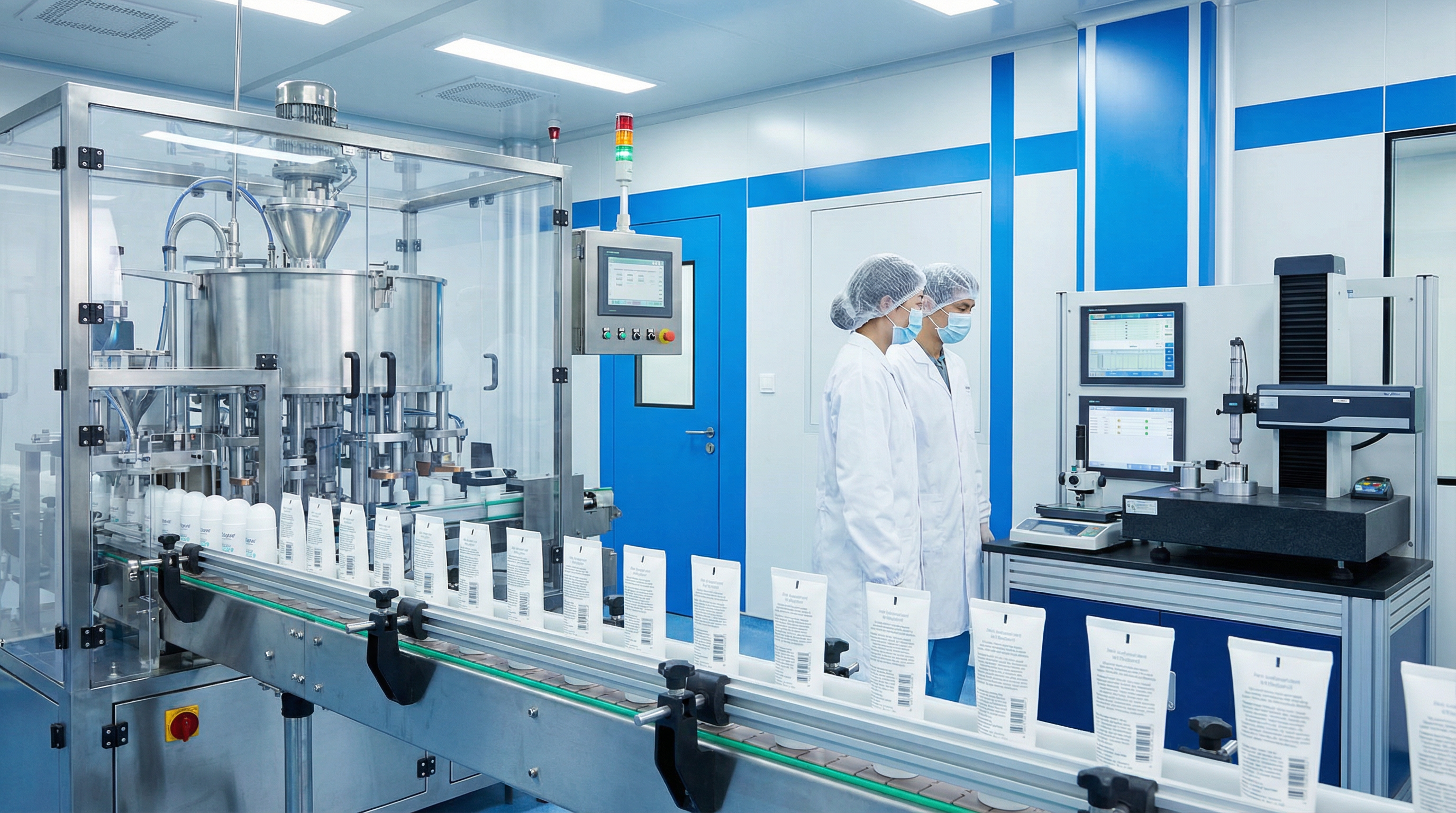
This comprehensive guide will walk you through the essential steps of launching your own natural deodorant brand, with a special focus on the manufacturing process. We'll explore the differences between OEM and ODM, and how to choose the right partner to bring your vision to life.
Step 1: Validate Your Idea & Define Your Niche
Before diving into manufacturing, it's crucial to do your homework. The deodorant market is competitive, so a unique selling proposition (USP) is essential. Ask yourself:
- Who is your target audience? (e.g., athletes, individuals with sensitive skin, eco-conscious consumers)
- What makes your brand unique? (e.g., specific ingredients, packaging, price point, certifications)
- What problem are you solving? (e.g., a deodorant that works for sensitive skin, a zero-waste option)
Step 2: Understanding OEM vs. ODM Manufacturing
For most new brands, partnering with an experienced manufacturer is the most efficient and cost-effective route. There are two primary models: OEM and ODM.

| Aspect | OEM | ODM |
|---|---|---|
| Concept | You provide the unique formula; manufacturer produces it | Manufacturer provides pre-existing formulas you can brand |
| Development | Full control, longer timeline (4–8 months) | Limited customization, faster entry (2–4 months) |
| Cost | Higher upfront R&D investment | Lower development costs |
| Best For | Brands with unique product ideas and resources | Brands seeking fast, lower-risk market entry |
For many startups, the ODM model is an attractive starting point. It allows you to launch quickly with a proven, stable formula while you focus on building your brand and marketing.
Step 3: Finding the Right Manufacturing Partner

Choosing the right manufacturer is one of the most critical decisions you'll make. Look for:
- Expertise in Natural Formulations: Specific experience with natural, aluminum-free deodorants.
- Certifications: GMP, ISO, and organic certifications demonstrate quality and safety.
- Flexible MOQs: As a new brand, start with smaller production runs.
- Full-Service Capabilities: Handle formulation, manufacturing, and packaging design.
- Transparency: Open about sourcing, ingredients, and manufacturing processes.
Step 4: Product Development & Branding
Whether you choose OEM or ODM, you'll be involved in key product decisions:
- Ingredients: Select high-quality, effective natural ingredients.
- Scent Profile: Develop a unique scent using essential oils aligned with your brand identity.
- Packaging: Choose functional and sustainable packaging — paper-based, refillable, or PCR plastic containers are popular in the natural space.
Step 5: Marketing & Launch
With your product ready, a strong digital marketing strategy is key:
- Build a professional website and e-commerce store.
- Leverage social media to build a community around your brand.
- Collaborate with influencers in the clean beauty and wellness space.
- Invest in content marketing to educate consumers and drive traffic.
Conclusion
Launching a natural deodorant brand requires careful planning, strategic partnerships, and a passion for high-quality products. By understanding the market, choosing the right manufacturing model, and building a compelling brand, you can carve out your own successful niche in the exciting world of natural personal care.
References
- Private Label Manufacturing. (2026). Building Your Deodorant Brand. privatelabelmanufacturing.biz
- TY Cosmetic. (2025). Top 9 Deodorant Manufacturers Worldwide. tyoemcosmetic.com